Mallard Head Applique: Craft Fair Product Review
As an embroidery designer who has prepped countless booths for weekend craft fairs, I have learned to judge a machine embroidery design not by its thumbnail alone, but by how it behaves on fabric, how it catches a customer's eye, and how efficiently it scales across multiple products. When I first looked at the Mallard Head Applique, I saw immediate potential for the handmade market. This design offers a clean, recognizable silhouette that reads well from a distance, which is half the battle when you are trying to stop shoppers walking past your booth. In this review, I will walk through what works, what needs caution, and exactly how to turn this digital embroidery file into real products that sell.
First Impression: Bold, Rustic, and Instantly Recognizable
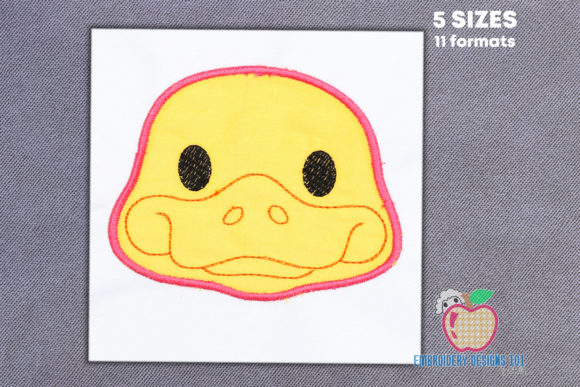
The Mallard Head Applique carries a strong farmhouse and outdoor aesthetic. It is not overly cutesy or cartoonish, nor is it hyper-realistic. Instead, it lands in a sweet spot that feels both decorative and premium. The design relies on clear color separation, with the applique steps broken out by color changes, which makes production straightforward. For a craft fair product, this kind of bold, readable imagery is gold. Customers often make buying decisions within seconds, and a mallard head silhouette is familiar enough to resonate with hunters, bird enthusiasts, rustic decor lovers, and anyone who appreciates wildlife-inspired embroidery. The design feels equally at home on a market tote or a cap, and that versatility is exactly what a small shop owner needs.
How Mallard Head Applique Performs on Key Products
I always test a new machine embroidery design on at least three product types before committing to batch production. Here is how I see the Mallard Head Applique working across common craft fair inventory.
Tote Bags and Market Bags
This is where the design shines brightest. A mallard head applique on a natural cotton tote bag creates an instant rustic-chic look. The applique layers add texture and dimension that print-on-demand simply cannot match. I would recommend hooping a stable tote bag with appropriate cutaway stabilizer to prevent distortion. The design reads well as a centered focal piece, and because it is an applique, the thread colors stay minimal, which keeps production costs low. Customers picking up a tote bag with this design often comment on the handcrafted feel, and that translates directly into higher perceived value.
Aprons and Tea Towels
Kitchen textiles are staple items at handmade markets, and the Mallard Head Applique fits naturally here. On a tea towel, the design works as a small accent near the hem, or as a larger center motif if your hoop size allows. For aprons, consider placing the design on the bib or lower pocket area. The applique layers hold up well to washing if you use quality thread and a tight satin stitch edge. I always advise Etsy sellers to include care instructions with their finished products, especially for applique items, so buyers know to turn them inside out and wash cold.
Embroidered Patches
Patches are a low-investment, high-margin product for craft fairs. The Mallard Head Applique can be stitched onto patch fabric, trimmed, and edged with a merrow or satin border. These patches sell well to outdoor enthusiasts and can be applied to jackets, hats, or backpacks. Because the design is an applique, the patch will have a raised, dimensional look that feels premium. I recommend using a stiff cutaway stabilizer and testing the edge finish before committing to a batch.
Caps and Hats
Embroidering on caps requires careful hooping and a design that does not rely on ultra-fine details. The Mallard Head Applique, with its bold shapes and clear color breaks, is well-suited for cap fronts. However, you must check the hoop size compatibility and ensure the design does not extend into the cap seams. I have seen this design work beautifully on structured caps in earth tones, particularly olive, khaki, and navy. The applique layers add a tactile quality that stands out on a crowded table of flat embroidered caps.
Pillow Covers and Home Decor
For a higher-ticket item, consider stitching the Mallard Head Applique onto a pillow cover insert. This is a product that attracts customers looking for unique, handmade home accents. The design pairs well with linen, canvas, or cotton blends. Because it is an applique, the pillow cover maintains a soft hand feel rather than a dense, stiff embroidery patch. This is a strong product for winter markets and holiday gift shoppers.
Practical Selling and Production Points
When you are producing for a craft fair, efficiency matters. The Mallard Head Applique uses color changes that are clearly separated, which means you can chain-stitch multiple items without constant thread swaps. This is a huge advantage for batch production. The design is also easy to understand at a glance, which helps when you are describing it to customers who may not know much about embroidery. I have found that designs with a single, recognizable subject, like a mallard head, photograph well for online listings. You can capture the texture of the applique layers with a simple overhead shot, and that image will work across Etsy, Instagram, and your booth signage.
For printable mockups, this design is forgiving. The solid color blocks and clear edges make it easy to overlay onto product photos without losing detail. If you are a digital seller, you can offer this design as part of a bird-themed bundle, but always confirm the commercial licensing terms before selling finished products. The product description states that the Mallard Head Applique comes with multiple embroidery file formats and is compatible with multiple machines, but it does not specify license terms. I recommend checking with the seller to ensure you have the right to use it for commercial embroidery and finished goods sales.
Careful-Use Notes: What to Watch For
No machine embroidery design is perfect for every situation, and the Mallard Head Applique has a few areas that require attention.
Stitch Density and Fabric Texture
Applique designs typically have lower stitch density than full embroidery, which is a good thing, but you still need to check the satin stitch edges. If the border is too dense, it can pucker on lightweight fabrics. I always recommend testing the design on a scrap of your intended fabric before committing to a production run. On textured towels, the applique layers may not sit as flat, so use a water-soluble stabilizer on top to hold the fabric down. On dark fabric, ensure your thread colors contrast well. A mallard head on black fabric might need a lighter underlay or a different thread palette to remain visible.
Small Details and Size Scaling
The Mallard Head Applique is a bold design, but if you resize it too small, the applique shapes may lose clarity. The eye and beak details, in particular, need enough space to read properly. I recommend keeping the design within the hoop size range suggested by the original file. If you are unsure, test a small version first. Do not assume that scaling down will preserve the same visual impact, because applique relies on fabric layers that need a minimum area to fold and stitch cleanly.
Curved Surfaces and Cap Hooping
As mentioned earlier, caps require special care. The Mallard Head Applique should be placed on the front panel of a cap, away from the seams. Use a cap hoop or a magnetic hoop system if available. The applique layers can add bulk, so trim the fabric close to the stitch line to reduce pressure on the machine. I have seen beautiful results on caps, but only when the design is properly centered and the stabilizer is correct.
Visual Appeal, Customer Attention, and Booth Display
At a craft fair, your booth display is your storefront. The Mallard Head Applique, with its rich colors and layered texture, draws the eye. I suggest creating a dedicated display with a few identical products, such as a tote bag, a cap, and a pillow cover, all featuring the same design. This repetition builds brand consistency and reinforces the design's appeal. Customers often respond to a cohesive look, and seeing the same motif on multiple products helps them imagine it in their own home or wardrobe.
The design also supports buyer engagement. When a customer picks up a tote bag and asks about the process, you can explain how the applique layers are stitched down, how the fabric is trimmed, and how the satin stitch finishes the edge. That story adds value and justifies a higher price point. I have found that designs with a clear, relatable subject, like a mallard head, are easier to sell because they connect with a customer's personal interests, whether that is birdwatching, hunting, or rustic decor.
Embroidery Designer Notes: Testing and Production Checklist
Before you turn the Mallard Head Applique into finished products, follow these practical steps to ensure quality and consistency.
- Test on scrap fabric. Use the exact fabric you plan to sell. Check the applique placement, stitch tension, and edge quality.
- Check thread contrast. The design uses color changes, but you may need to adjust thread colors to match your fabric base. A light thread on a light fabric may disappear.
- Review spacing and hoop size. Confirm that the design fits within your hoop and that there is enough margin for hooping. The product description does not specify exact hoop size, so measure before you start.
- Inspect stitch density. Ensure the satin stitch edges are not too dense or too loose. Adjust if necessary.
- Use the right stabilizer. For applique, a cutaway stabilizer is generally best. On stretchy or textured fabrics, add a topper or a tearaway layer as needed.
- Create at least one real mockup. Stitch the design out completely and photograph it. Use this image for your Etsy listings, booth signage, and social media.
- Compare fabric colors. Test the design on different fabric colors to see which combinations sell best. Earth tones, neutrals, and deep greens often work well with wildlife designs.
- Confirm commercial licensing. The product description mentions multiple file formats and machine compatibility, but does not state license terms. Contact the seller to verify that you can use this design for commercial embroidery and finished product sales.
Final Thoughts on Mallard Head Applique for Craft Fair Sellers
The Mallard Head Applique is a strong, versatile machine embroidery design that fits well into a craft fair product lineup. Its bold silhouette, clear color separation, and applique construction make it practical for batch production and appealing to a wide range of customers. Whether you are stitching it onto tote bags, aprons, tea towels, caps, patches, or pillow covers, this design offers a clean, rustic look that sells. As with any digital embroidery file, the key to success lies in testing, proper stabilizer selection, and attention to detail during production. If you are an Etsy seller, a small shop owner, or a boutique maker looking for a new bird-themed design, the Mallard Head Applique is worth adding to your embroidery collection. With careful preparation and a well-stocked booth, this design can become a reliable seller at your next handmade market.