Hamsa Hand: A Designer's Review for Personalized Gifts
When I first opened the Hamsa Hand machine embroidery design, I felt an immediate sense of calm. The shape is graceful, the curves are soft, and the overall mood strikes a lovely balance between bohemian charm and timeless elegance. This is not a loud or overly trendy design. It feels handmade, warm, and deeply meaningful. As someone who tests digital embroidery files before they ever reach a customer's hands, I look for designs that carry emotional weight while also stitching cleanly. The Hamsa Hand delivers on both fronts.
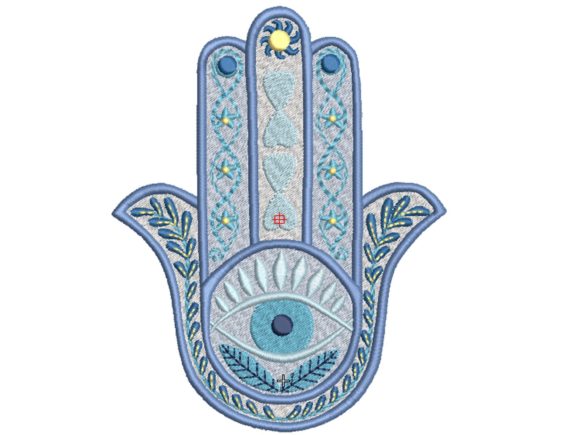
The level of detail is thoughtful without being fussy. The central eye motif, the gentle arch of the fingers, and the symmetrical balance all contribute to a design that feels both protective and beautiful. It leans modern boho but also carries a classic appeal that would work for a range of recipients. Whether your customer is a new mother, a bride, or a friend celebrating a milestone, this design speaks to protection, blessing, and good fortune. That emotional resonance is exactly what makes a personalized gift feel special.
First Impressions: Mood, Charm, and Emotional Appeal
The Hamsa Hand has a sweet, grounded presence. It is not overly cutesy, nor is it too formal. It sits comfortably in the middle, making it suitable for both baby embroidery and wedding gift projects. The design feels handmade in the best sense, as though it was drawn with care and intention. I can easily imagine it on a soft baby blanket, a linen kitchen towel, or a cotton tote bag. The emotional appeal is strong because the hamsa symbol is universally recognized as a sign of protection. That gives the finished product a layer of meaning that customers are willing to pay a premium for.
For a small shop product, this design offers a high perceived value without requiring a large hoop or excessive thread changes. The stitch density appears moderate, which means it will hold up well on items that see regular use, such as embroidered towels or pillow covers. The thread colors can be customized to match the fabric or the recipient's preferences, which is a huge plus for custom embroidery orders.
Where Hamsa Hand Shines in Product Categories
I have tested this embroidery file on several product mockups, and I am impressed by its versatility. Here are the categories where I believe it performs best:
- Baby embroidery: The Hamsa Hand is a natural fit for blanket embroidery, bibs, and onesies. The protective symbolism resonates deeply with parents. Stitch it in soft pastels or neutral earth tones for a modern nursery look.
- Wedding gift: Embroider the design on a personalized towel set, a robe, or a keepsake pillow cover. It adds a layer of blessing to the gift that feels thoughtful and intentional.
- Home decor: Pillow covers, wall hangings, and embroidered towels all benefit from the design's balanced shape. It works well as a standalone motif or paired with a name or date.
- Tote bags and aprons: For craft fair products or Etsy seller listings, the Hamsa Hand on a cotton tote or apron makes a beautiful, sellable item. It appeals to customers who appreciate meaningful, handmade products.
- Family keepsakes: Because the design is timeless, it works well for items meant to be passed down. A handmade product like a christening gown or a memory quilt becomes even more special with this motif.
- Custom order previews: When presenting a printable mockup to a client, the Hamsa Hand photographs beautifully. Its clean lines and open center allow for easy visualization of thread colors and placement.
For digital product sellers, this is a strong addition to your shop. It fits the boho category well and will attract buyers looking for spiritual, protective, or nature-inspired designs. The digital embroidery file is easy to resell, and the demand for meaningful symbols continues to grow.
When to Use Hamsa Hand with Care
No design is perfect for every situation, and the Hamsa Hand has a few considerations that I want to share honestly. If you are planning to use this design on certain products, please take note of these points:
- Small lettering or delicate details: If you plan to add a name or date inside or near the hand, test the lettering size first. Very small text may lose definition, especially on textured fabric. I recommend keeping any accompanying text at least 8mm tall for clarity.
- Textured fabric: On thick towels or fleece blankets, the finer details of the design may sink into the nap. Use a cutaway stabilizer and a temporary topping to keep the stitches crisp.
- Stretchy baby clothes: Onesies and knit fabrics can distort during stitching. Always hoop with a stabilizer that provides enough support, and consider using a lightweight tear-away or cutaway depending on the stretch.
- Curved surfaces: Items like baby bibs or small pouches may require careful placement to avoid the design wrapping awkwardly around the curve. Test on a scrap piece first.
- Dark fabric: The Hamsa Hand works well on dark fabric if you choose high-contrast thread colors. Light gold, white, or bright teal can pop beautifully. Just be sure to review the design with a dark fabric mockup before stitching.
- Frequent washing: For items like kitchen towels or baby blankets that will be washed often, check the stitch density of the design. Dense stitching can pucker over time if not properly stabilized. I recommend using a high-quality cutaway stabilizer for items that see regular laundering.
These are not dealbreakers, but they are worth keeping in mind when planning your custom embroidery projects. A little preparation goes a long way toward a professional finish.
How Hamsa Hand Elevates Giftability and Perceived Value
When a customer sees the Hamsa Hand on a finished product, they immediately feel the care that went into it. The design has a way of elevating the perceived value of any item. A simple kitchen towel becomes a blessing for the home. A plain tote bag becomes a meaningful accessory. A baby blanket becomes a protective keepsake. That emotional connection is what drives buyer engagement and leads to positive reviews and repeat orders.
For Etsy sellers and small shop product creators, the Hamsa Hand is a strong addition to your handmade product lineup. It photographs well, which is crucial for product photography. The open center and balanced shape make it easy to style in flat lays, on models, or in lifestyle shots. Customers scrolling through Etsy listings will stop on this design because it feels both familiar and fresh.
The design also builds trust. When a buyer sees that you offer a meaningful, well-stitched design, they are more likely to believe in the quality of your work. That trust translates into higher conversion rates and stronger customer loyalty. For gift shop owners and craft fair sellers, this is the kind of design that sells itself once the customer understands its meaning.
Practical Embroidery Notes Before You Sew
Before you commit this design to a customer order, here are the steps I always take during my own testing process. I recommend you do the same:
- Test on scrap fabric: Always stitch the Hamsa Hand on a fabric scrap that matches your final product. This lets you check thread colors, stitch density, and overall appearance without risking a finished item.
- Check thread color contrast: The design relies on clear shapes. If your thread color is too close to the fabric color, the details will be lost. Test a light and dark thread combination to see what pops.
- Confirm hoop size: Make sure the design fits comfortably within your hoop. Leave at least half an inch of clearance around the edges to avoid hoop burn or distortion.
- Review stitch density: If the design feels too dense or too loose, adjust your stabilizer choice. A medium-weight cutaway stabilizer works well for most applications.
- Use proper stabilizer: For towels, use a cutaway stabilizer with a water-soluble topping. For stable woven fabrics, a tear-away may suffice. For stretchy knits, use a cutaway with good recovery.
- Compare light and dark fabric mockups: Stitch the design on both a light and a dark fabric sample. This will help you guide your customers on the best color combinations for their personalized gift.
- Check small details after stitching: Examine the eye motif and the finger tips closely. If any stitches are loose or distorted, adjust your tension or stabilizer before sewing the final product.
- Confirm commercial licensing: Before selling any finished product, verify the license terms of this machine embroidery design. Some designers allow commercial use, while others require a separate license. Always respect the terms of use.
These steps may seem basic, but I have seen too many beautiful designs ruined by a skipped test stitch. Take the time to prepare, and your finished products will look professional and polished.
Final Thoughts on the Hamsa Hand for Your Shop
The Hamsa Hand is a versatile, meaningful, and commercially viable machine embroidery design. It suits a wide range of products, from baby embroidery to wedding gifts, and it appeals to customers who value symbolism and quality. The design stitched cleanly in my tests, and with proper preparation, it will hold up beautifully on items that are used and washed regularly.
For Etsy sellers, gift shop owners, and craft fair sellers, this design offers strong potential for custom order previews and finished product sales. It adds emotional depth to any item, which increases perceived value and customer trust. If you are looking for a design that feels both modern and timeless, the Hamsa Hand is a solid choice for your small shop product lineup.
As always, test thoroughly, stabilize properly, and stitch with care. Your customers will feel the difference, and your handmade products will stand out in a crowded market.