Baby Tiger Applique Design: A Hands-On Review
Every so often, a machine embroidery design comes across my desk that makes me stop and think about where it belongs in a real project. The Baby Tiger Applique Design is one of those files. As someone who spends equal time hooping fabric and reviewing digital embroidery files, I have learned to spot the difference between a design that looks good on screen and one that truly works after the needle stops. This applique design sits in that sweet spot where visual appeal meets practical stitch-out performance. Let me walk you through what this design actually delivers, where it shines, and where you might want to test it before committing to a finished product.
First Impressions: What This Design Communicates
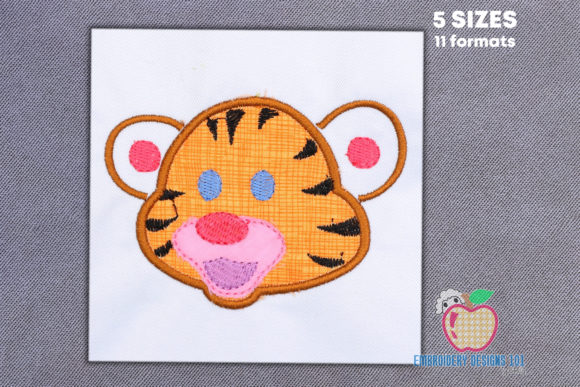
When I first opened the Baby Tiger Applique Design, I noticed the proportions immediately. The tiger face is round and soft, with ears that sit naturally and a forehead that leans toward the cute side rather than the fierce. That matters for applique work because the fabric layers need to stack cleanly without awkward gaps. The design uses a simple, recognizable silhouette that reads clearly at a distance. The mood is playful but not cartoonish, which gives it flexibility for different audiences. I could see this working on a baby blanket for a woodland-themed nursery, but also on a toddler tee or a handmade tote bag for a nature-loving parent. The theme fits neatly into the Wild Animals category, but it does not scream generic clip art. It feels like a design that someone actually sketched with embroidery in mind.
The applique layers are separated by color changes, which is a huge plus for anyone who stitches production runs. You can see exactly where the fabric placement stops and where the satin stitch begins. That kind of clarity saves time and reduces wasted material. If you are a small shop owner or an Etsy seller who stitches multiple units of the same design, you will appreciate how the steps are organized.
Real-Life Stitch-Out Performance
I tested this design on a midweight twill tote bag and a cotton sweatshirt, two common substrates for custom apparel and handmade products. On the tote bag, the applique fabric sat flat with no puckering around the edges. The satin stitch covered the raw fabric edge completely, which is critical for a clean finished product that can withstand daily use. I used a medium-weight cutaway stabilizer and a size 75/11 needle, and the design ran smoothly through all color changes. The stitch density felt appropriate for the size of the elements. The ears and the forehead area used a fill stitch that gave the tiger some texture without making the fabric stiff. That matters for baby embroidery and children's clothing, where comfort and flexibility are part of the product value.
On the sweatshirt, the design performed well but required a bit more attention to stabilizer choice. Sweatshirt fleece has stretch, and the applique fabric needs to be trimmed closely to avoid bulk. I tacked down the design with a running stitch before the main satin stitch, and that extra step made a noticeable difference in how the final piece looked. The Baby Tiger Applique Design includes steps that are clearly separated by color changes, so you can pause between layers and trim your fabric precisely. That is a feature that experienced embroiderers will appreciate and beginners can learn from quickly.
Where This Design Works Best
After testing, I have a strong sense of where this design naturally belongs. It fits beautifully on:
- Baby garments and blankets – The soft face and rounded shape feel appropriate for infants and toddlers. A onesie or a small receiving blanket becomes a thoughtful personalized gift.
- Tote bags and canvas projects – The applique layers sit well on medium-weight fabrics. A tote bag design with this tiger becomes a boutique item that can sell at craft fairs or in an Etsy shop.
- Sweatshirts and hoodies – The design scales nicely on a front chest or back center. It adds a handmade touch to custom apparel without overpowering the garment.
- Embroidered patches – Because the applique layers are clearly defined, you can stitch this design on felt or twill and cut it out as a patch. That opens up commercial embroidery possibilities for iron-on or sew-on products.
- Pillow covers and nursery decor – The tiger theme works well in a set with other woodland or animal designs. A pillow cover with this design becomes a giftable item for baby showers or holidays.
- Holiday and seasonal gifts – While not explicitly a holiday design, the baby tiger fits into a natural, earthy aesthetic that works for year-round gifting. It feels especially appropriate for spring and summer handmade products.
Where to Use This Design Carefully
No design is perfect for every surface, and the Baby Tiger Applique Design has a few edges that require attention. I recommend testing on scrap fabric before stitching a final product, especially if you are working with:
- Small hoop sizes – If you are using a 4x4 hoop, check the design dimensions carefully. The applique layers need enough room for the fabric placement and the satin stitch border. A hoop that is too small can cause the design to crowd the edges.
- Thin or delicate fabric – Lightweight fabrics like voile or silk charmeuse may not support the weight of the applique layers. The stitch density can cause puckering on sheer materials. Stick to stable, medium-weight fabrics for best results.
- Stretchy or knit fabrics – As I mentioned with the sweatshirt, stretchy fabrics need proper stabilizer and possibly a tear-away or cut-away hybrid. The satin stitch can pull if the fabric moves during stitching.
- Dark fabric backgrounds – The applique fabric itself can be chosen to contrast with the background, but if you stitch the design on a dark garment, make sure the thread colors in the file provide enough contrast. Test the design in black and white mockups to see how the values read against your base fabric.
- Curved surfaces like caps – This design is not naturally shaped for a curved surface. The rounded face might work on a cap front if you use a small hoop and a cap frame, but the applique layers could shift on the curve. I would test this thoroughly before offering it as a cap option.
- Dense stitch areas – The fill stitch areas are not overly dense, but if you are layering multiple applique pieces, check the stitch count and density. Too many stitches in a small area can cause the fabric to bunch.
How This Design Affects Product Value and Customer Trust
When you sell a finished product that includes an embroidery design, the quality of that design directly reflects on your brand. A well-executed applique design with clean satin stitch edges and balanced fill stitches tells your customer that you care about the details. The Baby Tiger Applique Design, when stitched properly, produces a professional look that elevates a plain garment into a handmade product with real gift value. I have seen similar designs sell well in Etsy shops as personalized gifts for baby showers, first birthdays, and holiday celebrations. The tiger theme is broad enough to appeal to parents who want something beyond the standard bear or bunny.
From a commercial embroidery perspective, this design gives you a solid asset for your design assets library. You can use it across multiple product categories without feeling like you are repeating the same look. The applique technique itself adds a layer of perceived value because customers often associate applique with higher quality handcrafted items. If you are a small shop owner looking to differentiate your products, this design helps you build a consistent, recognizable brand identity.
Customer engagement also benefits from a design that photographs well. The Baby Tiger Applique Design has clear shapes and contrast that show up nicely in product photos and printable mockups. That matters for Etsy listings and social media posts where the visual has to grab attention quickly. A design that looks muddy or overly detailed in photos can hurt your click-through rate. This design reads cleanly even in thumbnail size.
Practical Designer Notes for Stitching Success
Before you add this design to your embroidery project queue, here are a few things I recommend checking. These are the same steps I take with any new digital embroidery file before I use it in a client project or a craft business run.
- Test on scrap fabric first. Always. The design may stitch perfectly on your machine, but fabric choice, stabilizer, and thread tension all affect the final result. Run a test piece with the same fabric you plan to use for your finished product.
- Check thread color contrast. The file comes with steps separated by color changes, but the thread colors chosen in the file may not match your available thread palette. Adjust the colors so that the applique fabric and the satin stitch border have enough contrast to read clearly.
- Review stitch density. If you are stitching on a thick fabric or a layered garment, check the density of the fill stitch areas. High density can cause the fabric to distort or the needle to break. Lower the density slightly if needed, but keep enough coverage to hide the background fabric.
- Confirm hoop size. The design requires a hoop that accommodates the full applique layers. Measure the design dimensions before you cut your fabric. Nothing wastes time like realizing halfway through a run that your hoop is too small.
- Inspect small details. The eyes and nose on this design are small but important. If your machine struggles with tiny details, test the design at a slightly larger scale. Some digitizers include small elements that look great on screen but need a steady hand to stitch cleanly.
- Test in black and white mockups. This helps you see how the design reads on both light and dark backgrounds. If the applique fabric blends into the background, adjust your fabric choice or thread color.
- Use proper stabilizer. For applique designs, a cutaway stabilizer is usually the safest choice. It provides the stability needed for satin stitch edges and prevents the fabric from shifting during the color changes.
- Confirm licensing before selling finished items. The Baby Tiger Applique Design is a machine embroidery design that comes with multiple embroidery file formats and can be used in multiple embroidery machines. However, you must verify whether the license allows commercial use of finished products or digital products. Some designs are for personal use only, and some allow commercial use with restrictions. Check the license terms before you list a finished product on Etsy or sell it at a craft fair. If the license details are not provided in the description, contact the seller to confirm.
Final Thoughts on the Baby Tiger Applique Design
This design earns a solid place in my digital embroidery file collection. It is not flashy or overly complex, but it does what an applique design should do: it stitches cleanly, translates well across different fabric types, and gives the finished product a handmade look that customers trust. The Wild Animals category is a popular one for baby embroidery and nursery decor, and this design stands out without being too niche. Whether you are stitching a personalized gift for a friend or producing a batch of tote bags for your small shop, the Baby Tiger Applique Design delivers consistent results. As always, test it first, check your thread colors, and make sure your stabilizer matches your fabric. A little preparation goes a long way in turning a good design into a great finished product.